Diy Electrostatic Powder Coating Oven systems enable enthusiasts and small businesses to apply professional, durable finishes to metal projects. Interest in Diy Electrostatic Powder Coating Oven setups is driven by automotive restoration, custom fabrication, and artistic metalwork. The cost spectrum is broad: a basic DIY-built Diy Electrostatic Powder Coating Oven using repurposed materials may cost a few hundred dollars, while premium compact commercial ovens can reach several thousand. This accessibility allows individuals to achieve factory-quality results on items like wheels, tools, and furniture, making the Diy Electrostatic Powder Coating Oven a valuable investment for hands-on creators focused on quality and self-sufficiency.
Diy Electrostatic Powder Coating Oven Project Introduction
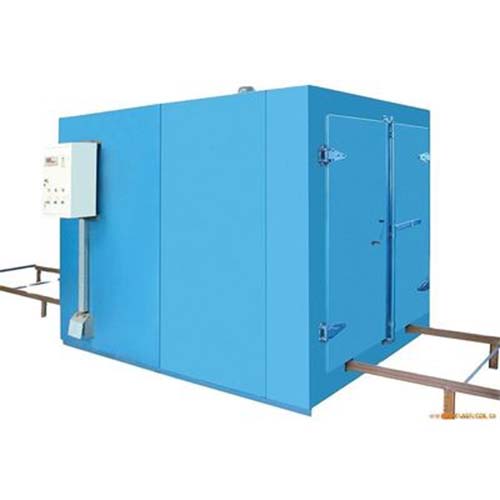
A Diy Electrostatic Powder Coating Oven project transforms a concept for a finished part into reality through a controlled thermal process. The Diy Electrostatic Powder Coating Oven serves as the essential final stage where a dry powder coating melts and cures into a hard, continuous film. Planning a Diy Electrostatic Powder Coating Oven project involves defining the size of objects to be coated, the required production volume, and the available workshop space. Success with a Diy Electrostatic Powder Coating Oven hinges on integrating it with proper surface preparation and electrostatic application steps to achieve a durable and attractive finish.
Diy Electrostatic Powder Coating Oven Surface Treatment Process Technical Features
The Diy Electrostatic Powder Coating Oven cure process is defined by specific thermal dynamics. Operating a Diy Electrostatic Powder Coating Oven requires heating the coated substrate to a precise temperature, typically between 350°F and 400°F, for a set time to initiate a chemical cross-linking reaction. Key technical goals for a Diy Electrostatic Powder Coating Oven include achieving uniform temperature distribution to prevent under-cured spots and managing heat rise times efficiently. A well-designed Diy Electrostatic Powder Coating Oven uses insulation and airflow to create a consistent thermal environment, ensuring the powder develops its full mechanical and protective properties.
Diy Electrostatic Powder Coating Oven Installation Techniques
Installing a Diy Electrostatic Powder Coating Oven requires addressing space, power, and safety. A permanent location for the Diy Electrostatic Powder Coating Oven must be level, stable, and away from flammable materials. Electrical requirements for a Diy Electrostatic Powder Coating Oven often involve a dedicated 240-volt circuit, necessitating professional wiring to handle the high amperage load. Proper ventilation around the Diy Electrostatic Powder Coating Oven is necessary to manage excess heat and any potential fumes. Securing the Diy Electrostatic Powder Coating Oven structure and installing independent high-limit safety switches are critical installation steps for safe operation.
Diy Electrostatic Powder Coating Oven Manufacturing Process And Costs
Manufacturing a Diy Electrostatic Powder Coating Oven is a custom engineering task focused on creating a safe and efficient heated chamber. The process for a Diy Electrostatic Powder Coating Oven involves constructing a rigid frame, lining it with high-temperature insulation, and installing a calibrated heating system. Costs for a Diy Electrostatic Powder Coating Oven build are influenced by choices in heating elements, insulation quality, and control systems. Investing in reliable components for a Diy Electrostatic Powder Coating Oven, such as a PID temperature controller and robust wiring, improves performance and safety, offering better long-term value than a minimal-cost build.
Frequently Asked Questions About Diy Electrostatic Powder Coating Oven Equipment
How to Determine the Correct Cure Time for a Diy Electrostatic Powder Coating Oven
Determining the correct cure time for a Diy Electrostatic Powder Coating Oven requires referencing the powder manufacturer's technical data sheet for the recommended metal temperature and duration. Start with these guidelines as a baseline for your Diy Electrostatic Powder Coating Oven. Use a standalone oven thermometer to verify the actual air temperature inside your Diy Electrostatic Powder Coating Oven matches the controller setting. Conduct test runs with small parts, checking for full cure by performing adhesion tests. Adjust the time in your Diy Electrostatic Powder Coating Oven based on these results, as factors like part mass and oven calibration can affect the needed cycle.
How to Ensure Electrical Safety for a Diy Electrostatic Powder Coating Oven Build
Ensuring electrical safety for a Diy Electrostatic Powder Coating Oven build is paramount. All wiring for the Diy Electrostatic Powder Coating Oven must use gauge wire rated for the amperage draw and high temperatures. Install a dedicated circuit breaker for the Diy Electrostatic Powder Coating Oven that matches the electrical load. Incorporate a secondary, independent high-limit thermostat in the Diy Electrostatic Powder Coating Oven that cuts power if the primary control fails. All electrical connections for the Diy Electrostatic Powder Coating Oven should be secure and protected inside appropriate junction boxes. Having a qualified electrician inspect the Diy Electrostatic Powder Coating Oven wiring before first use is a highly recommended safety practice.
How to Maximize Energy Efficiency in a Diy Electrostatic Powder Coating Oven
Maximizing energy efficiency in a Diy Electrostatic Powder Coating Oven reduces operating costs. The most effective step is installing ample high-temperature insulation on all interior surfaces of the Diy Electrostatic Powder Coating Oven. Ensure the Diy Electrostatic Powder Coating Oven door seals tightly to prevent heat loss. Batch similar parts together to minimize the number of times you heat up the Diy Electrostatic Powder Coating Oven chamber. Using a digital temperature controller with your Diy Electrostatic Powder Coating Oven can provide more precise regulation than a simple thermostat, preventing unnecessary overheating. These measures help a Diy Electrostatic Powder Coating Oven maintain temperature with less energy input.
How to Solve Common Temperature Uniformity Problems in a Diy Electrostatic Powder Coating Oven
Solving temperature uniformity problems in a Diy Electrostatic Powder Coating Oven often involves improving air circulation. Adding one or more internal fans to the Diy Electrostatic Powder Coating Oven to create forced convection can dramatically even out hot and cold spots. Check that heating elements are positioned and wired to distribute heat evenly throughout the Diy Electrostatic Powder Coating Oven chamber. Avoid overloading the Diy Electrostatic Powder Coating Oven, as crowded parts block airflow. Using an oven thermometer to map temperatures in different zones of your Diy Electrostatic Powder Coating Oven can help identify problem areas to address through fan placement or element adjustment.
How to Select Powder Coatings Suitable for a Diy Electrostatic Powder Coating Oven
Selecting powder coatings suitable for a Diy Electrostatic Powder Coating Oven involves matching the powder's cure specifications to your oven's capabilities. Standard thermoset powders are ideal for a Diy Electrostatic Powder Coating Oven, as they require the thermal cure cycle your oven provides. Check the powder's data sheet for its specific cure schedule (e.g., 10 minutes at 400°F) and ensure your Diy Electrostatic Powder Coating Oven can reliably achieve that profile. For beginners, straightforward epoxy or polyester powders are excellent choices for a Diy Electrostatic Powder Coating Oven. Avoid powders requiring very high cure temperatures that may exceed the safe operating limit of your Diy Electrostatic Powder Coating Oven build.
Statement: Hangzhou Huaxiang Coating Equipment Co., Ltd Chinese Powder Coating Equipment facturers provide you with customized equipment for various types of Powder Coating Lines, Powder Coating Ovens, Powder Coating Booths,Powder Coating Guns, etc. For inquiries! Contact us at
Email: gezx@cncolourspray.com
WhatsApp: +86 13335812068