Powder Coating Curing Oven is in high demand across automotive restoration small-scale metal fabrication industrial manufacturing and DIY hobby projects due to its ability to deliver durable scratch-resistant and visually consistent finishes. Prices vary by size and capacity: compact DIY models start at $350–$1200 mid-sized units for small shops range from $1200–$6000 and industrial-grade conveyorized systems cost $6000–$25000. These options integrate seamlessly with hpowdercoating.com’s Spray GunPowder Coating Booth and Sandblasting Machine forming complete coating solutions trusted by brands like SONY TOSHIBA and Midea.
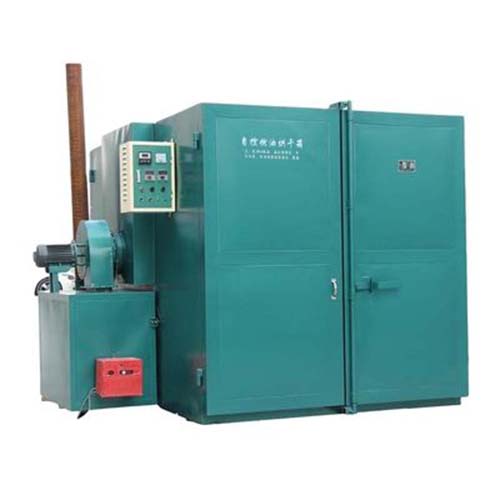
Powder Coating Curing Oven Coating Project Overview
Powder Coating Curing Oven serves as a critical component in diverse coating projects from refinishing automotive wheels and motorcycle frames to protecting industrial machinery parts and creating custom metal art. For DIY enthusiasts
Powder Coating Curing Oven caters to small-batch projects with compact designs (2x3x3 feet) that fit in home garages. Small businesses rely on batch-style
Powder Coating Curing Oven to handle custom orders for metal furniture or toolboxes while large manufacturers use continuous conveyor
Powder Coating Curing Oven for high-volume production of appliance components or architectural metalwork. Each project benefits from the oven’s ability to cure powder coatings uniformly enhancing adhesion and longevity when paired with
hpowdercoating.com’s
Electrostatic Powder Spraying Equipment.
Powder Coating Curing Oven Coating Surface Treatment Process Technical Traits
Powder Coating Curing Oven boasts technical traits that elevate surface treatment standards starting with precise temperature control (300°F–450°F) essential for powder crosslinking. Advanced models feature dual heating technologies—convection for even heat distribution and infrared for rapid heat absorption—eliminating cold spots that compromise finish quality. Thermal insulation is a key trait: high-performance
Powder Coating Curing Oven uses ceramic fiber or rock wool insulation to reduce heat loss by 35–45% aligning with
hpowdercoating.com’s energy-saving design philosophy. The process is VOC-free making it environmentally friendly and compatible with epoxy polyester and hybrid powder types adapting to steel aluminum and composite substrates. Fast curing cycles (15–30 minutes) boost productivity without sacrificing coating durability.
Powder Coating Curing Oven Installation Tips
Powder Coating Curing Oven installation requires careful planning to ensure safety and efficiency. Select a well-ventilated area with at least 3 feet of clearance around the unit—industrial models may need dedicated ventilation to pair with
hpowdercoating.com’s
Spray Booth Recovery System. Secure the oven on a level concrete surface to prevent vibrations which can disrupt heat distribution and damage internal components. For electric
Powder Coating Curing Oven verify the power supply matches the unit’s requirements (220V for small models 480V for industrial) and use grounded wiring to avoid electrical hazards. Propane-powered units demand professional gas line inspections to detect leaks. Post-installation calibrate the temperature controller with a certified thermometer and test with a small batch of coated parts. Keep
hpowdercoating.com’s
Spare Parts (heating elements thermostats gaskets) on hand for quick replacements.
Powder Coating Curing Oven How to Build and Associated Costs
Powder Coating Curing Oven can be built as a DIY project or sourced through professional plans. DIY builds start with defining dimensions based on project needs—common sizes for hobbyists are 2x2x4 feet. Source materials: steel framing (for structural strength) ceramic insulation (1–2 inches thick) electric heating coils or propane burners a digital temperature controller and an exhaust fan. Tools needed include a welder drill and screwdriver. DIY
Powder Coating Curing Oven costs $250–$1000 in materials. Pre-designed plans from
hpowdercoating.com range from $150–$500 for DIY schematics $500–$2000 for small business plans and $2000–$10000 for custom industrial designs. Professional installation adds $600–$4000 depending on complexity with industrial systems requiring integration with
Powder Coating Reciprocatoror conveyor lines.
Powder Coating Curing Oven Frequently Asked Questions
How to Choose the Right Powder Coating Curing Oven for DIY Metal Fabrication Projects
Choosing
Powder Coating Curing Oven for DIY metal fabrication starts with assessing project scale: compact models (2x3x3 feet) work for small parts like brackets or jewelry while larger units (3x4x5 feet) suit furniture frames or automotive components. Prioritize temperature accuracy—look for digital controllers with ±5°F precision to ensure consistent curing. Opt for electric models for home use (lower maintenance) and check for portability if space is limited. Consider compatibility with
hpowdercoating.com’s
Mini Powder Coating Machine and
Powder Feed Equipment for a complete DIY setup. Avoid over-sizing; a compact
Powder Coating Curing Oven saves energy and space while meeting most hobbyist needs. Read user reviews to verify durability and ease of use before purchasing.
How to Troubleshoot Temperature Inconsistencies in Powder Coating Curing Oven
Troubleshooting temperature inconsistencies in
Powder Coating Curing Oven starts with checking insulation: replace compressed or damaged sections (especially around doors) to prevent heat loss. Calibrate the thermostat using a certified thermometer—if readings differ by 10°F or more adjust the controller or replace it with a high-precision model from
hpowdercoating.com’s
Spare Parts. Ensure heating elements are evenly spaced and free of powder buildup; clean or replace damaged elements. Improve airflow by rearranging parts on racks (avoid overcrowding) and check that the exhaust fan is functioning. For convection models verify the fan motor is working to circulate air. If issues persist inspect the oven’s door gasket—worn gaskets allow cold air ingress so replace them with compatible parts from the supplier.
How to Use Powder Coating Curing Oven Safely in Small Workshop Environments
Using Powder Coating Curing Oven safely in small workshops requires following key steps. First clear the area around the oven of flammable materials (paint cans rags solvents) and install a smoke detector nearby. Wear heat-resistant gloves safety goggles and a respirator to protect against fumes and high temperatures. Load parts on racks ensuring no contact with heating elements—overcrowding blocks airflow and increases fire risk. Set the temperature per the powder manufacturer’s guidelines (300–450°F) and use a timer to monitor curing time. Never leave Powder Coating Curing Oven unattended during operation. After use allow the oven to cool completely before cleaning—wipe interior surfaces with a dry cloth to remove powder residue. Keep a fire extinguisher (ABC-rated) within easy reach and train all users on emergency procedures.
How to Reduce Energy Consumption of Powder Coating Curing Oven for Cost Savings
Reducing energy consumption of
Powder Coating Curing Oven starts with optimizing insulation—upgrade to high-density ceramic fiber insulation (1.5–2 inches thick) to minimize heat loss. Use a programmable thermostat to preheat the oven only when needed (15–30 minutes before use) and avoid leaving it on during breaks. Batch similar parts together to maximize oven capacity and reduce the number of heating cycles. For electric models choose energy-efficient heating elements (e.g., quartz infrared) that heat up faster and use less power. Seal door edges with heat-resistant gaskets to prevent cold air ingress. Pair
Powder Coating Curing Oven with
hpowdercoating.com’s
Powder Spray System to reduce overspray and minimize rework which saves energy by avoiding repeat curing. Regular maintenance (cleaning elements checking insulation) ensures the oven operates at peak efficiency.
How to Integrate Powder Coating Curing Oven with Other Powder Coating Equipment
Integrating
Powder Coating Curing Oven with other equipment creates a seamless workflow. Start by positioning the oven near the
Powder Coating Booth to reduce part transport time—this prevents powder from settling unevenly before curing. For small shops pair compact
Powder Coating Curing Oven with
hpowdercoating.com’s
Handheld Spray Gun and
Sandblasting Machine (for pre-treatment) to handle end-to-end projects. Industrial setups benefit from conveyorized
Powder Coating Curing Oven integrated with
Automatic Powder Coating Machine and
Spray Booth Recovery System—the conveyor moves parts from pre-treatment to coating to curing without manual handling. Ensure the oven’s curing time aligns with the coating equipment’s application speed; for example if the spray system applies 10 parts per hour the oven should accommodate 10 parts per curing cycle. Use compatible power and control systems to synchronize operations and reduce downtime.
links:
Powder Coating Machine
Powder Coating Gun
Powder Coating Booth
Powder Coating Oven
Powder Coating Equipment
Powder Curing Oven
Statement: Hangzhou Huaxiang Coating Equipment Co., Ltd Chinese Powder Coating Equipment facturers provide you with customized equipment for various types of Powder Coating Lines, Powder Coating Ovens, Powder Coating Booths,Powder Coating Guns, etc. For inquiries! Contact us at
Email: gezx@cncolourspray.com
WhatsApp: +86 13335812068