Curing Ovens For Powder Coating drive global demand across automotive architectural DIY and industrial sectors thanks to their ability to deliver durable long-lasting finishes on metal substrates. Prices vary widely—DIY-friendly compact models start at $400–$1500 small shop-grade units range from $1500–$8000 and industrial-scale conveyorized systems reach $8000–$30000. These options align with hpowdercoating.com’s product lineup often pairing with Spray Gun Powder Coating Booth and Sandblasting Machine to create complete finishing workflows for diverse user needs.
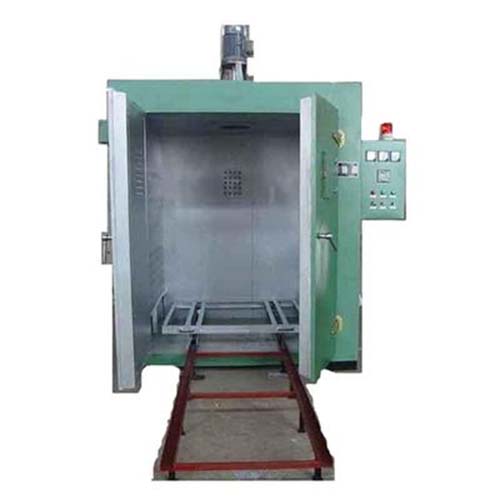
Curing Ovens For Powder Coating Coating Project Overview
Curing Ovens For Powder Coating serve as the backbone of countless coating projects from automotive restoration (wheel rims frame components) and residential metal furniture (patio sets handrails) to industrial machinery parts (housings fasteners) and artistic metalwork. For DIY enthusiasts
Curing Ovens For Powder Coating cater to small-batch projects with compact designs (2x2x3 feet) fitting home workshops. Small businesses rely on mid-sized batch ovens to handle custom fabrication orders while large manufacturers use conveyor-integrated
Curing Ovens For Powder Coating for high-volume production. These ovens work seamlessly with
hpowdercoating.com’s
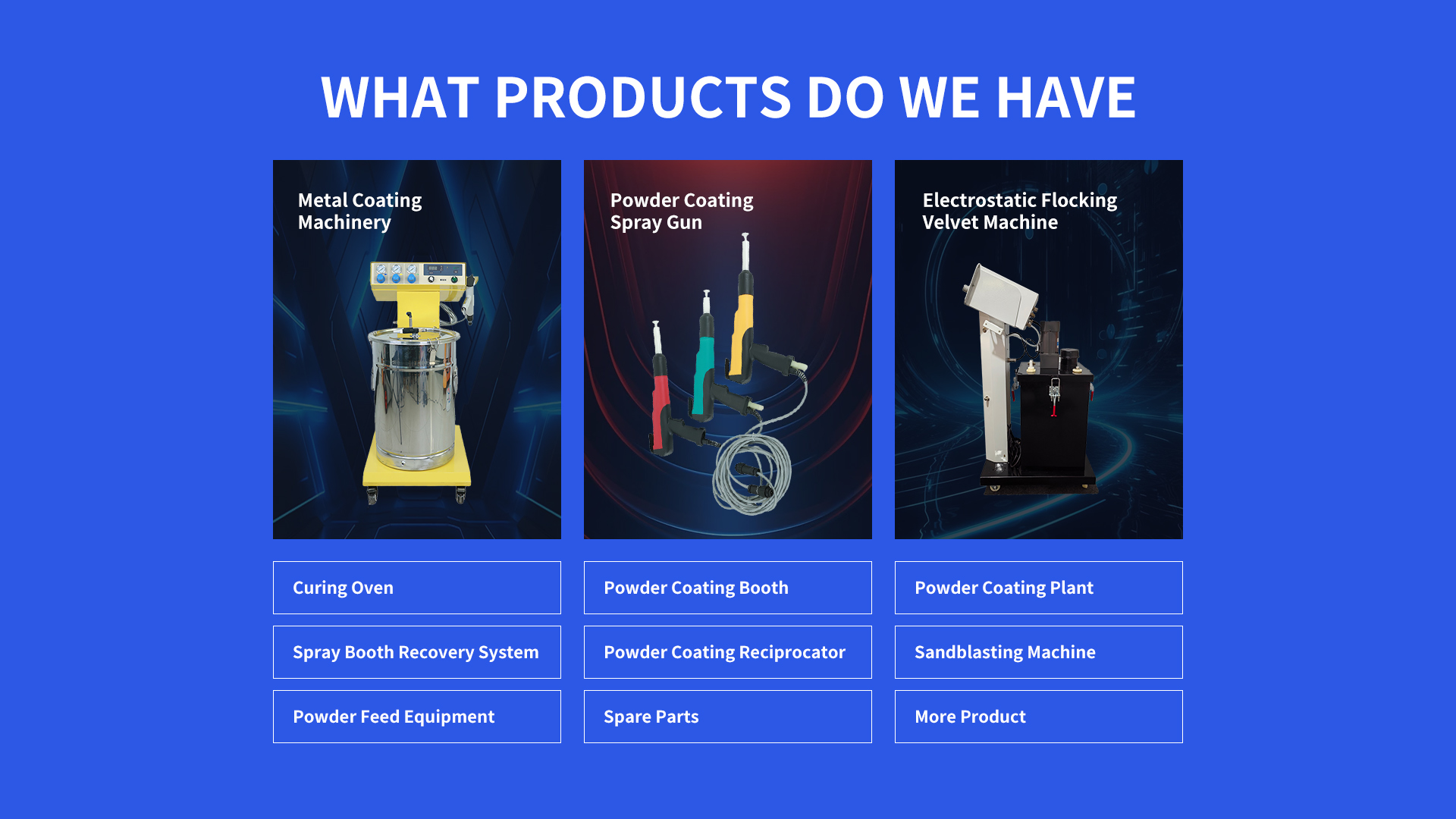
Electrostatic Powder Spraying Equipment and
Powder Feed Equipment ensuring consistent curing that enhances coating adhesion and resistance to wear corrosion and UV damage.
Curing Ovens For Powder Coating Coating Surface Treatment Process Technical Traits
Curing Ovens For Powder Coating feature technical traits that optimize surface treatment quality starting with precise temperature regulation (300°F–450°F) critical for powder particle crosslinking. Advanced models integrate dual heating technologies—convection for uniform heat distribution and infrared for rapid heat penetration—eliminating hot spots that mar finishes. Thermal efficiency stands out as a key trait: high-grade
Curing Ovens For Powder Coating use ceramic fiber or rock wool insulation to minimize heat loss cutting energy consumption by 30–40% in line with
hpowdercoating.com’s energy-saving design focus. They operate without volatile organic compounds (VOCs) meeting environmental standards and support compatibility with epoxy polyester and hybrid powder types adapting to diverse substrate requirements from steel to aluminum composites.
Curing Ovens For Powder Coating Installation Tips
Curing Ovens For Powder Coating installation requires attention to space safety and performance. First select a well-ventilated area with minimum 3-foot clearance around the unit—industrial models may need dedicated ventilation systems to pair with
hpowdercoating.com’s
Spray Booth Recovery System. Secure the oven on a level concrete surface to prevent vibrations which can disrupt heat distribution and damage internal components. For electric
Curing Ovens For Powder Coating verify the power supply matches the unit’s specifications (220V for small models 480V for industrial) and use grounded wiring to avoid electrical hazards. Propane-powered units demand professional gas line inspections to detect leaks. Post-installation calibrate temperature controls with a certified thermometer and test with a small batch of coated parts. Stock essential spares from
hpowdercoating.com’s
Spare Parts section (heating elements thermostats gaskets) to minimize downtime.
Curing Ovens For Powder Coating How to Build and Associated Costs
Curing Ovens For Powder Coating can be built as a DIY project or sourced through professional plans. DIY builds start with defining project scope: measure maximum part size to determine interior dimensions (e.g., 3x3x5 feet for small shops). Source materials: steel/aluminum framing (for structural integrity) ceramic insulation (1–2 inches thick for heat retention) electric heating coils or propane burners digital temperature controller and exhaust fan. Tools needed include a welder drill and screwdriver. DIY
Curing Ovens For Powder Coating cost $300–$1800 in materials. Pre-designed plans from
hpowdercoating.com range from $200–$600 for entry-level DIY schematics $600–$2500 for small business plans and $2500–$12000 for custom industrial designs. Professional installation adds $800–$5000 depending on complexity with industrial systems requiring engineering compliance and integration with existing
Powder Coating Reciprocator or conveyor lines.
Curing Ovens For Powder Coating Frequently Asked Questions
How to Select the Right Curing Ovens For Powder Coating for High Volume Industrial Production
Selecting
Curing Ovens For Powder Coating for high-volume industrial production starts with assessing throughput: conveyorized (tunnel) models handle continuous workflows ideal for mass-produced parts like automotive components or appliance frames. Prioritize heating capacity—industrial units need 10–50 kW to maintain consistent 350–450°F temperatures for large batches. Look for features like programmable curing cycles and heat recovery systems to reduce energy costs. Ensure compatibility with
hpowdercoating.com’s
Automatic Powder Coating Machine and
Powder Spraying System for seamless integration. Consider interior size (10+ feet in length for conveyor models) and material durability—stainless steel interiors resist corrosion from powder residue. Evaluate supplier support including maintenance services and access to
Spare Parts to keep production running smoothly.
How to Operate Curing Ovens For Powder Coating Safely in Home Workshops
Operating Curing Ovens For Powder Coating safely in home workshops requires strict adherence to guidelines. Begin with pre-operation checks: inspect insulation heating elements and wiring for damage. Clear the area around the oven of flammable materials (paint thinner rags) and install a smoke detector nearby. Wear heat-resistant gloves safety goggles and a respirator to protect against fumes and high temperatures. Load parts on racks ensuring no contact with heating elements—overcrowding blocks airflow and causes uneven curing. Set the temperature per the powder manufacturer’s instructions (typically 325–400°F) and use a timer to monitor curing time (15–30 minutes). Never leave Curing Ovens For Powder Coating unattended during operation. After use allow the oven to cool completely before cleaning—wipe interior surfaces with a dry cloth to remove powder buildup and avoid water contact with electrical components.
How to Maintain Curing Ovens For Powder Coating to Extend Service Life
Maintaining
Curing Ovens For Powder Coating preserves performance and extends lifespan. Clean the interior after each use to remove powder residue which can insulate heating elements and reduce efficiency. Inspect insulation monthly—replace compressed or damaged sections to prevent heat loss. For electric models check heating coils for corrosion or burnout and replace them with
hpowdercoating.com’s
Spare Parts when needed. Propane units require cleaning the burner assembly and checking gas lines for leaks (use soapy water to detect bubbles). Calibrate the temperature controller quarterly with a certified thermometer to ensure accuracy. Lubricate door hinges and conveyor components (for industrial models) annually with heat-resistant lubricant. Store the oven in a dry environment when not in use and cover it to protect against dust and moisture—these steps can extend service life by 7–10 years.
How to Adjust Curing Ovens For Powder Coating Temperature for Different Powder Types
Adjusting Curing Ovens For Powder Coating temperature ensures optimal results for different powder formulations. Epoxy powders cure best at 325–350°F with a 15–20 minute hold time—ideal for industrial parts requiring high corrosion resistance. Polyester powders need higher temperatures (375–400°F) and 20–25 minute curing to achieve a glossy durable finish suitable for automotive and architectural applications. Hybrid powders (epoxy-polyester) work well at 350–375°F balancing flexibility and resistance. For specialty powders like UV-curable options consult the manufacturer’s guidelines as some may require lower temperatures but longer hold times. Allow Curing Ovens For Powder Coating to preheat fully (20–30 minutes) before loading parts to ensure stable temperature distribution. Test adjustments with sample parts checking for adhesion (using a tape test) and finish uniformity before full-scale production.
How to Reduce Operational Costs of Curing Ovens For Powder Coating in Small Businesses
Reducing operational costs of
Curing Ovens For Powder Coating in small businesses involves efficiency-focused adjustments. Opt for energy-efficient models with high R-value insulation (ceramic fiber) to cut heat loss and lower utility bills. Use programmable thermostats to avoid preheating outside of working hours—most small shops only need the oven active during production shifts. Batch similar parts together to maximize oven capacity and minimize heating cycles. Regular maintenance (cleaning insulation checks) prevents energy waste from inefficient heating. Consider pairing
Curing Ovens For Powder Coating with
hpowdercoating.com’s
Powder Spray System and
Spray Booth Recovery System to reuse overspray powder reducing material costs. For propane models switch to high-efficiency burners and monitor gas pressure to avoid waste. These changes can lower monthly operational costs by 20–35% over time.
links:
Powder Coating Machine
Powder Coating Gun
Powder Coating Booth
Powder Coating Oven
Powder Coating Equipment
Powder Curing Oven
Statement: Hangzhou Huaxiang Coating Equipment Co., Ltd Chinese Powder Coating Equipment facturers provide you with customized equipment for various types of Powder Coating Lines, Powder Coating Ovens, Powder Coating Booths,Powder Coating Guns, etc. For inquiries! Contact us at
Email: gezx@cncolourspray.com
WhatsApp: +86 13335812068