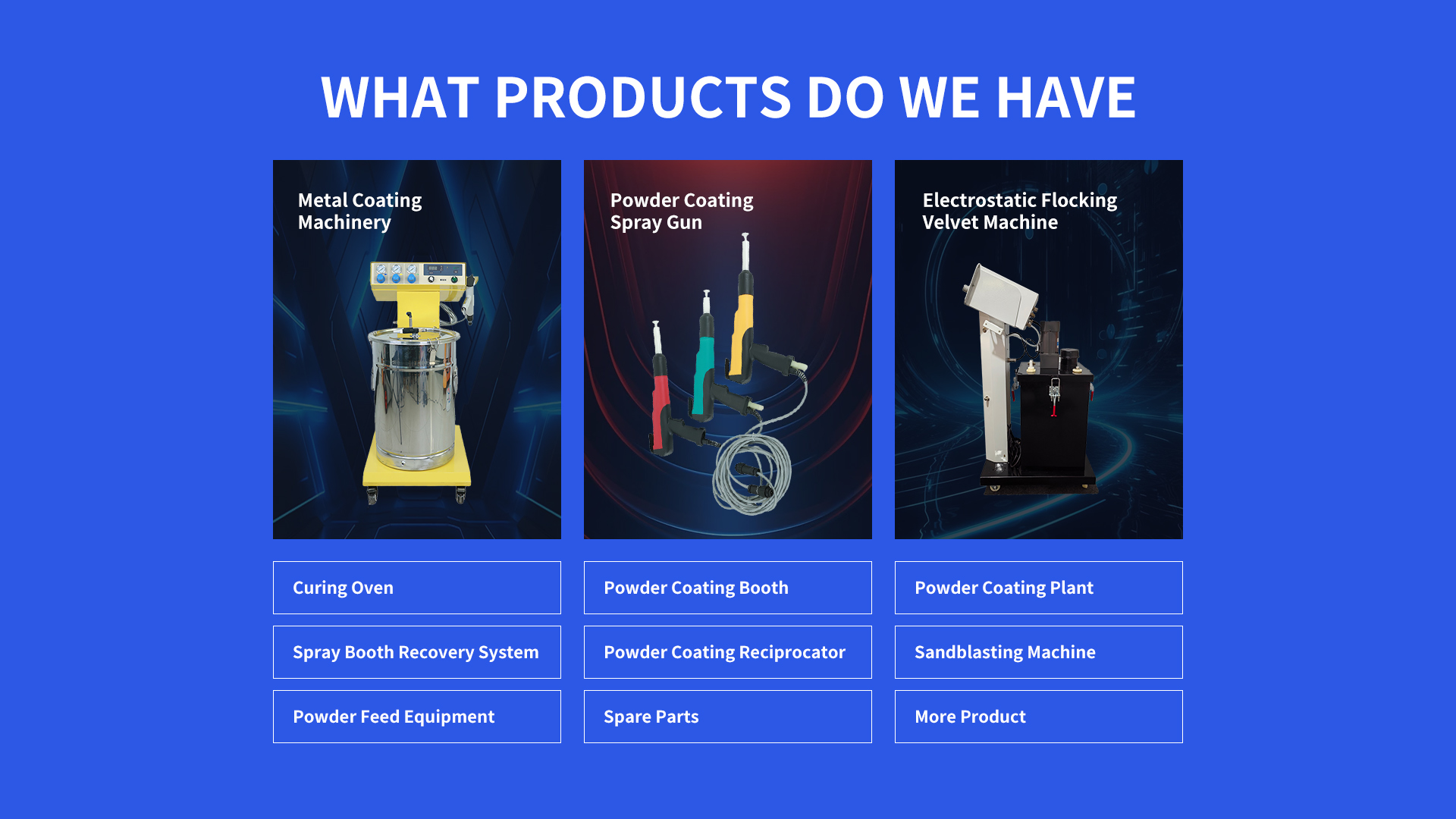
Powder Coating Curing Oven Plans meet growing market demand across hobbyist garages small metalworking shops and large-scale industrial facilities—driven by the need for durable scratch-resistant metal finishes. For DIY enthusiasts basic Powder Coating Curing Oven Plans start at $200–$800 focusing on compact designs. Small shops opt for mid-range plans ($800–$3000) with expanded capacity while industrial-grade custom plans range from $3000–$15000 for conveyor-integrated systems. These plans often pair with hpowdercoating.com’s Powder Coating Booth and Spray Gun to create full finishing setups aligning with the site’s high-quality equipment offerings.
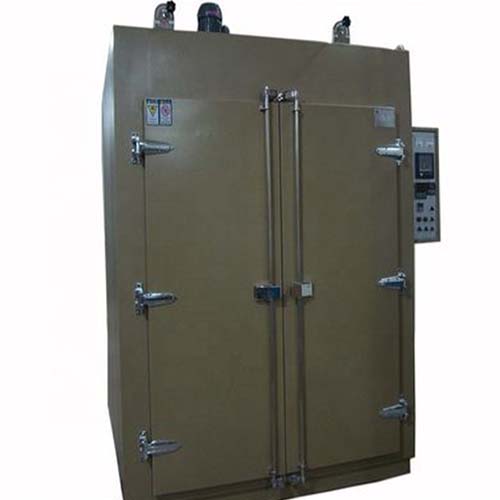
Powder Coating Curing Oven Plans Coating Project Overview
Powder Coating Curing Oven Plans cater to diverse coating projects from automotive restoration (e.g., wheel rims, frame parts) to residential metal furniture (e.g., patio sets, railings) and industrial component protection (e.g., machinery housings, electrical enclosures). For hobbyists, entry-level
Powder Coating Curing Oven Plans focus on batch processing small parts—with interior dimensions around 2x2x3 feet—to fit home workshops. Small shops benefit from medium-sized plans that handle larger items like toolboxes or bike frames, while industrial plans support continuous production lines, integrating with
hpowdercoating.com’s
Powder Coating Reciprocator and
Spray Booth Recovery System to streamline workflow. Each plan is designed to match project scale ensuring efficient curing without wasting energy or space.
Powder Coating Curing Oven Plans Coating Surface Treatment Process Technical Traits
Powder Coating Curing Oven Plans emphasize technical traits that elevate surface treatment quality, starting with precise temperature control (300°F–450°F) critical for powder crosslinking. Advanced plans include features like dual heating systems (convection + infrared) to ensure uniform heat distribution—eliminating hot spots that cause uneven finishes. Thermal insulation is another key trait; top-tier
Powder Coating Curing Oven Plans recommend ceramic fiber or rock wool insulation (1–2 inches thick) to reduce heat loss by up to 40%, aligning with
hpowdercoating.com’s “energy-saving” design focus. Unlike traditional liquid coating processes, these plans support VOC-free curing, meeting environmental standards and appealing to users prioritizing sustainability. They also integrate compatibility with common powder types (epoxy, polyester, hybrids) to adapt to different surface treatment needs.
Powder Coating Curing Oven Plans Installation Tips
Powder Coating Curing Oven Plans require careful installation to ensure safety and performance. First, choose a well-ventilated area—hobbyist plans need at least 3 feet of clearance around the unit, while industrial plans may require dedicated ventilation systems to pair with
hpowdercoating.com’s
Spray Booth Recovery System. Secure the oven on a level concrete surface to prevent vibrations; uneven bases can disrupt heat distribution. For electric-based
Powder Coating Curing Oven Plans, verify the power supply matches the plan’s requirements (220V for mid-range setups, 480V for industrial) and use grounded wiring. Propane-powered plans demand professional gas line inspections to avoid leaks. Post-installation, calibrate the temperature using a certified thermometer—cross-checking with the plan’s specified range—and test with a small batch of coated parts. Stock essential spares from
hpowdercoating.com’s
Spare Parts section (e.g., heating elements, thermostats) to avoid delays.
Powder Coating Curing Oven Plans How to Create and Associated Costs
Powder Coating Curing Oven Plans can be created or sourced based on user skill level. To build DIY plans, start by defining project needs: measure maximum part size to set interior dimensions (e.g., 3x3x5 feet for small shops). Source materials: steel/aluminum frames (for durability), ceramic insulation (for heat retention), electric heating coils or propane burners (per fuel preference), a digital temperature controller, and a ventilation fan. Tools needed include welders (for metal frames) and drills (for assembly). DIY
Powder Coating Curing Oven Plans cost $300–$1200 in materials. For pre-designed plans,
hpowdercoating.comoffers entry-level options at $200–$500, mid-range shop plans at $500–$2000, and custom industrial plans at $2000–$10000—these include detailed schematics, material lists, and compatibility notes with the site’s
Metal Coating Machinery. Professional installation adds $500–$3000 depending on complexity, but DIY-friendly plans reduce this cost.
Powder Coating Curing Oven Plans Frequently Asked Questions
How to Select the Right Powder Coating Curing Oven Plans for Automotive Part Coating Projects
Selecting
Powder Coating Curing Oven Plans for automotive projects starts with part size: plans for wheel rims or small brackets need interior widths of 2–3 feet, while frame coating requires 4–6 feet. Prioritize temperature stability—automotive powders (e.g., polyester for wheels) need consistent 375–400°F, so choose plans with precision thermostats and even heat distribution. Look for compatibility with
hpowdercoating.com’s
Electrostatic Powder Spraying Equipment to ensure seamless workflow. For DIY automotive hobbyists, opt for portable plans with easy access doors; small shops may need batch plans with rack systems to hold multiple parts. Avoid over-sizing—compact plans save energy and space unless you handle large-scale restoration.
How to Adjust Powder Coating Curing Oven Plans for Different Powder Types (Epoxy Polyester Hybrid)
Adjust
Powder Coating Curing Oven Plans for powder types by modifying temperature and timing parameters. Epoxy powders cure at 350–375°F, so adjust the plan’s heating element placement to maintain this lower range—add extra insulation if needed to prevent heat spikes. Polyester powders require 375–400°F, so ensure the plan’s heating capacity (e.g., 5–10 kW for small ovens) can reach and hold this temperature. Hybrid powders (epoxy-polyester) need 360–380°F; use the plan’s digital controller to set a narrow temperature window. For all types, adjust curing time: epoxy needs 15–20 minutes, polyester 20–25 minutes, hybrids 18–22 minutes.
Powder Coating Curing Oven Plans from
hpowdercoating.com include customizable timing charts to simplify adjustments, and pair with the site’s
Powder Feed Equipment for consistent powder application before curing.
How to Ensure Safety When Implementing Powder Coating Curing Oven Plans
Ensure safety with
Powder Coating Curing Oven Plans by following key steps. First, incorporate ventilation—add exhaust fans in the plan to remove fumes, and position the oven away from flammable materials (e.g., paint cans, oil rags). For electric plans, include ground fault circuit interrupters (GFCIs) in the wiring design to prevent shocks. Propane plans require pressure regulators and leak-detection ports (use soapy water to check for bubbles). Install heat-resistant handles and door latches in the plan to avoid burns, and add a temperature override switch to shut down the oven if it exceeds 450°F. Never leave the oven unattended during operation, and train users on emergency procedures.
hpowdercoating.com’s plans include safety checklists and recommend pairing with their
Safety Spare Parts (e.g., heat-resistant gloves, fire extinguishers).
How to Optimize Energy Efficiency in Powder Coating Curing Oven Plans
Optimize energy efficiency in
Powder Coating Curing Oven Plans through material and design choices. Use high-density ceramic insulation (1.5–2 inches thick) in the plan—this reduces heat loss by 30–40% compared to low-grade insulation. Install a programmable thermostat to avoid preheating the oven longer than needed; most plans from
hpowdercoating.com include timers to start heating 15–30 minutes before use. For industrial plans, add a heat recovery system to capture and reuse exhaust heat for preheating incoming parts. Size the oven correctly—an oversized oven wastes energy, so match the plan’s interior volume to your average part load. Use LED temperature displays (low power) instead of analog gauges, and insulate door edges with heat-resistant gaskets to prevent leaks. These adjustments cut energy costs by 20–30% over standard plans.
How to Modify Powder Coating Curing Oven Plans for Larger or Irregularly Shaped Parts
Modify
Powder Coating Curing Oven Plans for large or irregular parts by adjusting size and interior design. For large parts (e.g., industrial machinery panels), extend the plan’s interior height and width—add reinforced steel beams to support the larger frame, and use higher-capacity heating elements (10–15 kW for electric ovens). For irregular shapes (e.g., curved metal rails), incorporate adjustable rack systems in the plan—install sliding or foldable racks to hold parts without blocking heat. Add side access doors in the plan to load long parts (e.g., metal rods) without tilting. Ensure the plan’s heat distribution is even—add extra heating elements on the sides or bottom for parts that block top heat.
hpowdercoating.com’s custom plans can be modified to fit specific part dimensions and pair with their
Powder Coating Reciprocator for automated coating of irregular parts before curing.
Statement: Hangzhou Huaxiang Coating Equipment Co., Ltd Chinese Powder Coating Equipment facturers provide you with customized equipment for various types of Powder Coating Lines, Powder Coating Ovens, Powder Coating Booths,Powder Coating Guns, etc. For inquiries! Contact us at
Email: gezx@cncolourspray.com
WhatsApp: +86 13335812068