Small Powder Coating Ovens provide the essential thermal curing capability for DIY enthusiasts, automotive restorers, artists, and small-scale fabricators to achieve professional, durable finishes on a wide range of projects. Unlike their industrial counterparts, Small Powder Coating Ovens are defined by their compact footprint, affordability, and suitability for low-volume or batch processing. The core function of any powder coating oven is to elevate the temperature of a coated part to a specific range, typically between 300°F to 400°F, for a set period. This process, known as curing, melts the electrostatically applied powder and triggers a chemical crosslinking reaction, transforming it into a smooth, hard, and resilient coating. For users tackling items like bicycle frames, custom wheels, tools, or prototype parts, selecting the right Small Powder Coating Ovens involves understanding the balance between internal capacity, heating technology, temperature control, and safety to ensure consistent, high-quality results.
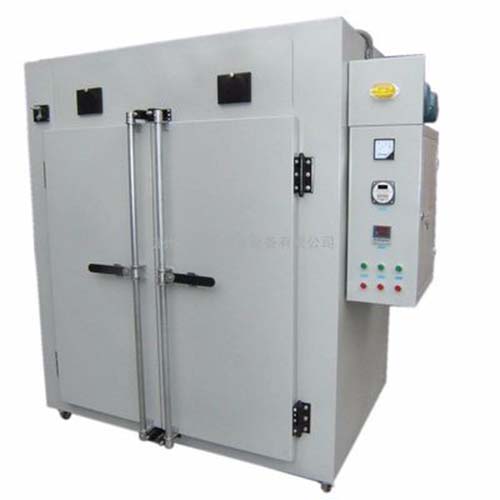
Small Powder Coating Ovens Core Types and Technical Specifications
The market for Small Powder Coating Ovens primarily offers three configurations to suit different space and project needs. Benchtop Ovens are the most compact, designed to sit on a sturdy workbench. They are ideal for very small parts like hardware, brackets, or knives. Cabinet Ovens, resembling a large refrigerator or standing wardrobe, offer greater interior volume and are the most popular choice for serious hobbyists and small shops. They can typically accommodate items like automotive wheels, bicycle frames, or small machinery components. For those with highly specific size requirements or a drive to minimize cost, a DIY Oven built from insulation panels and heating elements represents a third path, though it requires significant technical skill. Key technical specs for evaluating any Small Powder Coating Ovens include its internal dimensions (always plan for more space than your largest part), its heating element wattage (which determines heat-up speed and recovery time), and the quality of its insulation (which impacts energy efficiency and temperature stability). A critical feature in any well-designed oven is a recirculating fan system, which actively moves hot air around the chamber to eliminate cold spots and ensure uniform curing on all surfaces of a part.
Small Powder Coating Ovens Key Selection Factors and Decision Framework
Choosing the correct Small Powder Coating Ovens requires a methodical assessment of your needs. Start by defining your Maximum Part Size. Measure the largest item you plan to coat, including its hanging configuration, and add at least 6 to 12 inches of clearance on all sides for proper airflow. This internal space calculation is the most important factor and will immediately narrow your options. Next, consider your Production Volume and Thermal Mass. If you plan to cure single, light-gauge parts infrequently, a lower-wattage oven may suffice. However, if you intend to run batches of heavy, dense steel parts regularly, you will need an oven with higher wattage and robust construction to maintain temperature effectively. Electrical requirements follow logically; smaller benchtop models often plug into a standard 120-volt outlet, while larger cabinet ovens usually require a dedicated 240-volt circuit. Finally, evaluate the Control System. Modern Small Powder Coating Ovens should feature a digital PID controller. This device precisely manages temperature, provides an accurate timer for the cure cycle, and offers repeatability—meaning you can achieve the exact same results every time you run a known process.
Small Powder Coating Ovens DIY Build Versus Pre-Built Analysis
A central decision for many users is whether to purchase a pre-built Small Powder Coating Ovens or undertake a DIY construction project. This choice hinges on a trade-off between cost, time, safety, and performance assurance. A Pre-Built Oven from a reputable manufacturer offers significant advantages: it is a tested, integrated system delivered ready for use. It comes with safety certifications, operational warranties, and engineered designs for optimal heat distribution and airflow. The manufacturer has solved the complex challenges of balancing heater placement, fan sizing, and venting, providing peace of mind and immediate productivity. In contrast, a DIY Oven project is primarily motivated by the desire for a Custom Size or Lower Initial Cost. It allows for building an oven to exact, non-standard dimensions that may not be available commercially. However, this path demands advanced skills in electrical wiring, metal fabrication, and thermodynamic design. Sourcing safe, high-temperature components like proper insulation, heating elements, and reliable controllers can be challenging. Crucially, achieving professional-grade temperature uniformity in a homemade box is difficult, and any design flaws can lead to inefficient operation, poor cure results, or serious safety hazards like fire risk or electrical failure.
Small Powder Coating Ovens Operation and Best Practice Procedures
Proper operation is vital to achieve the full potential of your Small Powder Coating Ovens and ensure safety. The process begins long before curing. Meticulous Surface Preparation—including degreasing, cleaning, and for metals, applying a conversion coating like phosphate—is non-negotiable for achieving strong coating adhesion. When loading the oven, ensure parts are securely hung, properly grounded to dissipate static, and spaced to allow unobstructed airflow around every surface. Never overload the chamber. Always adhere to the powder manufacturer's specified Cure Schedule for time and temperature. Using a separate oven thermometer to verify the internal temperature matches your controller's display is a recommended quality check. After the cure cycle completes, allow parts to cool slowly inside the turned-off oven with the door slightly ajar to prevent thermal shock and dust contamination. For maintenance, regularly vacuum any powder residue from the oven interior and inspect door seals for integrity. Always ensure your workspace has adequate ventilation, and never leave an operating oven unattended for extended periods. Integrating your Small Powder Coating Ovens with a dedicated application booth and a clean, organized prep area creates an efficient and professional small-scale finishing cell.
In summary, a Small Powder Coating Ovens is a transformative tool that brings industrial-quality finishing within reach. Success depends on carefully matching the oven's capacity and capabilities to your specific project profile and production goals. For most users seeking reliability, safety, and professional results from day one, investing in a well-engineered Pre-Built Cabinet Oven is the most effective path. By following best practices in preparation, loading, curing, and maintenance, your Small Powder Coating Oven will become a cornerstone asset for creating durable, vibrant, and professional finishes on countless projects.
Statement: Hangzhou Huaxiang Coating Equipment Co., Ltd Chinese Powder Coating Equipment facturers provide you with customized equipment for various types of Powder Coating Lines, Powder Coating Ovens, Powder Coating Booths,Powder Coating Guns, etc. For inquiries! Contact us at
Email: gezx@cncolourspray.com
WhatsApp: +86 13335812068