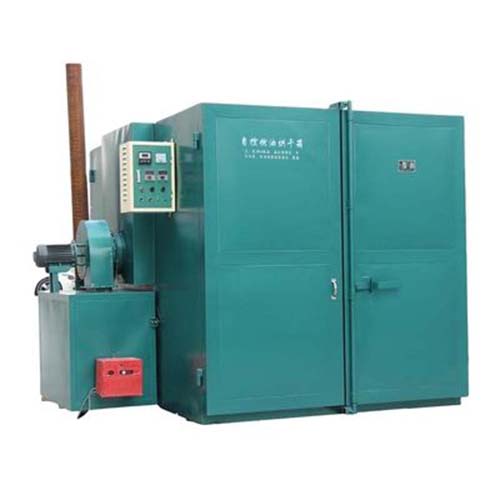
Industrial Powder Coating Ovens are the cornerstone of modern, high-volume finishing lines, engineered to transform powder coatings into durable, chemically resistant films on substrates ranging from metal and composites to engineered wood. Unlike simple heating chambers, these sophisticated thermal systems deliver the precise time-temperature control required for consistent cross-linking and optimal coating performance. The adoption of Industrial Powder Coating Ovensis a strategic response to tightening global environmental regulations favoring solvent-free processes, with a market demand driven by the need for durable, high-quality finishes in automotive, aerospace, appliance, and architectural industries. Selecting and integrating the right industrial oven directly influences production throughput, product quality, and operational efficiency, making it a critical investment for competitive manufacturers.
Industrial Powder Coating Ovens Core Technology and Heating Systems
The fundamental purpose of an Industrial Powder Coating Ovens is to provide controlled, uniform heat to initiate and complete the chemical cure of the powder coating. This process, known as thermal cross-linking, typically occurs between 300°F and 450°F and is governed by the precise metal temperature of the part, not merely the ambient oven air temperature. To achieve this, industrial ovens employ several advanced heating technologies.
Forced-Air Convection Heating: The most prevalent and versatile system for Industrial Curing Ovens. It uses electric elements or gas burners to heat air, which is then aggressively circulated by high-velocity fans. This ensures excellent temperature uniformity and is ideal for complex, three-dimensional parts, making it the standard for both Batch Powder Coating Ovens and Conveyor Powder Coating Ovens.
Infrared (IR) Heating: IR ovens utilize electric or gas-fired emitters to generate radiant energy that heats the part and coating directly. This method offers rapid heat-up times and high energy efficiency for flat or simple-shaped metal components. However, its "line-of-sight" limitation makes it less suitable for parts with complex geometries that create shadowed areas.
Hybrid Heating Systems: Combining the speed of IR with the uniformity of convection, hybrid systems optimize both cycle time and cure quality. A common configuration uses an initial IR zone to quickly melt the powder surface, followed by a forced-convection zone to complete the cure evenly throughout the part.
Industrial Powder Coating Ovens Design and Selection Criteria
The design of an Industrial Powder Coating Ovens is driven by production requirements, part characteristics, and facility constraints. The primary configuration choice lies between batch and conveyorized systems.
Batch Ovens: Typically configured as walk-in or cabinet ovens, these systems process discrete loads. They offer maximum flexibility for high-mix, low-volume production or for coating very large, bulky items like construction equipment or architectural assemblies.
Conveyorized (Tunnel) Ovens: Integrated into continuous finishing lines, these ovens move parts on a conveyor through pre-defined heating zones. They are engineered for high-volume, consistent throughput of similarly sized parts, such as in appliance or automotive component manufacturing.
Key technical specifications for selection include internal dimensions, temperature uniformity, heating capacity, insulation quality, and control system sophistication. Modern Industrial Powder Coating Ovens are governed by Programmable Logic Controllers (PLCs) that store and execute precise cure recipes, ensuring repeatability and providing data logging for quality traceability. Energy source selection (electric vs. natural gas) is also critical, influenced by local utility costs, availability, and thermal output requirements.
Industrial Powder Coating Ovens Applications and Operational Excellence
Industrial Powder Coating Ovens enable superior finishing across diverse sectors by providing the exact thermal environment required for different coating chemistries and substrates.
Automotive and Transportation: Used for coating wheels, chassis components, truck bodies, and accessories, where durability, corrosion resistance, and aesthetics are paramount. High-temperature powders for engine components may require specialized High Temperature Powder Coating Ovens.
Appliances and Consumer Durables: Essential for producing the durable, scratch-resistant, and visually appealing finishes on refrigerators, washing machines, grills, and outdoor furniture.
Architectural and Building Products: Critical for coating aluminum extrusions for windows, doors, and curtain walls, as well as steel railings and structural components, providing exceptional weatherability.
General Metal Fabrication and Machinery: Serves a vast range of industries, from agricultural equipment to electrical enclosures, where a robust protective finish is required.
Operational best practices begin with rigorous surface preparation and extend to precise oven loading to ensure unobstructed airflow. The use of Temperature Profiling equipment to map the actual metal temperature of parts during the cure cycle is an industry standard for process validation and optimization.
Industrial Powder Coating Ovens Future Trends and Smart Manufacturing
The evolution of Industrial Powder Coating Ovens is closely aligned with broader manufacturing trends toward greater efficiency, intelligence, and sustainability.
Energy Efficiency and Heat Recovery: Advanced burner designs, high-performance insulation, and integrated heat recovery systems are becoming standard to minimize energy consumption and reduce the carbon footprint of finishing operations.
Smart Factory Integration and IoT: Modern ovens are equipped with sensors and connectivity for Remote Monitoring, Predictive Maintenance, and seamless data integration into Manufacturing Execution Systems. This enables real-time process optimization, quality assurance, and reduced unplanned downtime.
Advanced Curing Technologies: The development of Low-Temperature Cure Powders and UV-Curable Powder Systems is expanding the applicability of powder coating to heat-sensitive substrates like plastics and engineered wood. These technologies require ovens with precise, low-temperature control or integrated UV curing modules, driving new oven design innovations.
Modular and Flexible Designs: To accommodate faster product changeovers and smaller batch sizes, Modular Industrial Ovens that can be easily reconfigured or scaled are gaining popularity, supporting agile manufacturing strategies.
In summary, Industrial Powder Coating Ovens are highly engineered systems that form the technical and economic backbone of modern powder coating lines. Their continuous advancement in efficiency, control, and adaptability ensures they remain vital for manufacturers seeking to achieve durable, high-quality, and environmentally compliant finishes in a competitive global market.
Statement: Hangzhou Huaxiang Coating Equipment Co., Ltd Chinese Powder Coating Equipment facturers provide you with customized equipment for various types of Powder Coating Lines, Powder Coating Ovens, Powder Coating Booths,Powder Coating Guns, etc. For inquiries! Contact us at
Email: gezx@cncolourspray.com
WhatsApp: +86 13335812068