In the landscape of modern industrial finishing, the Electric Powder Coat Oven stands as a paragon of precision, efficiency, and environmental compliance. As global manufacturing increasingly prioritizes sustainable and solvent-free processes, the demand for advanced, electrically powered curing solutions continues to rise. An Electric Powder Coat Oven delivers the exacting, controlled heat required to transform a layer of dry powder into a durable, chemically resistant film, typically operating within a critical range of 300°F to 450°F. Unlike fossil fuel-fired systems, electric ovens offer superior process control, eliminate on-site combustion emissions, and provide a cleaner, more adaptable thermal solution for workshops and factories alike. This technical guide delves into the core technologies, selection criteria, and operational best practices that define high-performance Electric Powder Coat Oven systems.
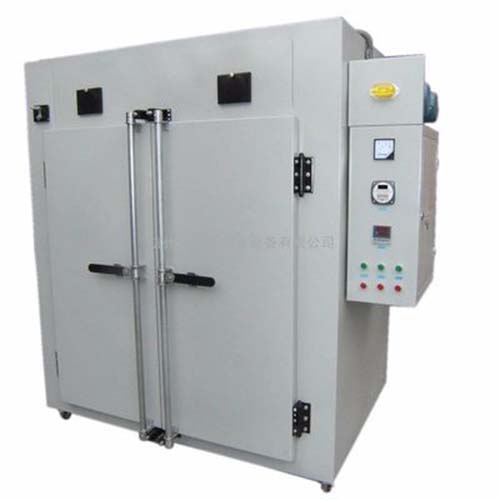
Electric Powder Coat Oven Core Technology and Heating Method Analysis
At its core, an Electric Powder Coat Oven converts electrical energy into precise, controllable thermal energy to initiate the powder's crosslinking reaction. The choice of heating technology is the primary determinant of cure quality, efficiency, and application suitability. The two dominant methods are forced-air convection and infrared radiation.
Electric Forced-Air Convection Ovens represent the most versatile and widely used design. In this system, electric resistance heating elements warm the air inside an insulated chamber. High-velocity fans then forcibly circulate this air around the parts, ensuring exceptional temperature uniformity. This method is ideal for curing complex, three-dimensional components with deep recesses, as the convective heat penetrates all surfaces evenly. It is the gold standard for both batch processing and conveyorized lines, making a Convection Powder Coating Oven the reliable choice for mixed workloads.
Electric Infrared Ovens utilize emitters like quartz tubes or ceramic panels to generate infrared radiant energy. This energy is absorbed directly by the part and powder surface, resulting in extremely rapid heat-up times. While highly efficient for flat, simple, or thin-gauge metal parts, IR heating has a significant limitation: its effectiveness depends on a direct line of sight. Complex geometries create shadows, leading to potential uneven curing. Therefore, while an Infrared Powder Coat Oven excels in specific high-speed applications, forced-air convection generally offers more consistent results for diverse part shapes.
Selecting the Right Electric Powder Coat Oven A Technical Checklist
Choosing an optimal Electric Powder Coat Oven requires a systematic analysis of production requirements. The decision framework should address the following key factors:
Production Volume and Workflow: Determine the necessity of a Batch Oven for custom, low-volume work versus a Conveyorized Oven for high-volume, continuous throughput. This fundamental choice dictates the oven's basic architecture and integration into your finishing line.
Oven Capacity and Thermal Performance: The internal chamber dimensions must accommodate your largest parts with significant clearance (often 6-12 inches on all sides) for unimpeded airflow. Concurrently, the total heating element wattage must be sufficient to raise the thermal mass of a full load to the target cure temperature within a reasonable cycle time.
Control System and Precision: Modern ovens are governed by sophisticated digital controllers. A Programmable Logic Controller (PLC) or a precise PID Temperature Controller is essential for storing recipes, automating cure cycles, and ensuring repeatable results. Data logging capabilities further enhance quality traceability.
Safety and Regulatory Compliance: Safety is paramount. Any industrial oven design must adhere to rigorous safety standards. Critical standards include GB 14443, which outlines safety technical requirements for paint and powder coating ovens, covering ventilation, electrical safety, and fire/explosion prevention. Compliance ensures a safe operating environment for personnel and protection of the facility.
Operational Excellence for Electric Powder Coat Ovens
Achieving flawless results extends beyond equipment selection to encompass disciplined process control. The foundation is meticulous surface preparation, including degreasing, cleaning, and often a chemical pretreatment like phosphating, to ensure maximum coating adhesion. When loading the oven, parts must be racked to allow for optimal airflow, preventing cold spots. The most reliable method for process validation is Temperature Profiling. Using thermocouples attached to test parts, operators can map the exact metal temperature achieved throughout the cycle, verifying that all areas meet the powder manufacturer's specified cure schedule. This data-driven approach eliminates guesswork and guarantees a fully cured, durable finish on every batch.
Future Trends and Advanced Applications
The evolution of Electric Powder Coat Oven technology is closely aligned with broader trends in smart manufacturing and sustainability.
Energy Efficiency and Heat Recovery: Next-generation designs focus on ultra-efficient heating elements, advanced insulation, and heat recovery systems that capture waste heat to pre-heat incoming air, dramatically reducing overall energy consumption.
Smart Manufacturing and IoT Integration: Ovens are becoming nodes in the Industrial Internet of Things. Features like remote monitoring, predictive maintenance alerts, and integration with Manufacturing Execution Systems enable real-time optimization and minimize unplanned downtime.
Low-Temperature Curing: The development of novel powder chemistries that cure at temperatures as low as 250°F to 300°F is revolutionizing the industry. These Low Cure Powder Coatings enable the finishing of heat-sensitive substrates like engineered wood, plastics, and pre-assembled components, expanding the market for powder coating. Successfully utilizing these powders requires an electric oven with exceptional low-temperature stability and control.
Conclusion
An Electric Powder Coat Oven is a sophisticated thermal processing system that serves as the backbone of a high-quality, sustainable finishing operation. By offering unmatched temperature control, environmental cleanliness, and compatibility with Industry 4.0 automation, electric curing technology provides a future-proof investment. For businesses committed to producing superior, durable finishes with precision and efficiency, mastering the selection and operation of a well-engineered Electric Powder Coat Oven is a definitive strategic advantage.
Statement: Hangzhou Huaxiang Coating Equipment Co., Ltd Chinese Powder Coating Equipment facturers provide you with customized equipment for various types of Powder Coating Lines, Powder Coating Ovens, Powder Coating Booths,Powder Coating Guns, etc. For inquiries! Contact us at
Email: gezx@cncolourspray.com
WhatsApp: +86 13335812068